
The Three Core Steps of Any Hair Transplant — And How NeoGraft Optimises Each
Hair transplant techniques at NeoGraft have evolved through four generations, each improving one or more of these three core steps. Understanding how extraction, storage and plantation changed across generations is the key to understanding why NeoDHT produces far better results than older methods.


Extraction
In this step hair roots are extracted from donor area. Donor area can be any part of body. Normally we take scalp as a donor area, but this can be beard , chest, hands, legs, pubic area, axilla.

Storage


Plantation
Entire modification in techniques is based upon modification in these three steps, either variation in time of each step or the instruments used in these steps.
The Four Generations of Hair Transplant at NeoGraft Chandigarh — FUT, NeoOne FUE, NeoPlatinum FUE, NeoDHT
FUT
(Follicular Unit Transplantation — The First Technique)- Extraction: A strip of scalp is surgically removed; hair follicles are dissected from the strip under a microscope.
- Storage: Grafts stored in Normal Saline or Ringer Lactate.
- Plantation: Insertion sites made with a simple injection needle.
- Era: The very first hair transplant method. FUE techniques evolved as an improvement over FUT.
NeoOne FUE
(Pre-2016 Era)- Extraction: Individual follicles extracted using a Dental Motor at 12,000–22,000 RPM — high speed increases transection risk and follicle trauma.
- Storage: Grafts preserved in Normal Saline, Ringer Lactate, or other ready-made solutions outside the body.
- Plantation: Slits made with a Hypodermic Injection Needle; grafts inserted manually.
- Era: Standard FUE used widely before 2016. Termed NeoOne FUE at NeoGraft Chandigarh.
NeoPlatinum FUE
(2016–2022 — Introduced by Dr. Vikram)- Extraction: Dr. Vikram introduced the Nano Motor running at 800–1,200 RPM — dramatically gentler, reducing follicle transection and trauma significantly.
- Storage: Revolutionary shift: grafts now preserved in Plasma, Biotin, and Bioactive Compounds — not just saline — for superior graft health and viability.
- Plantation: Recipient slits created using a precision Stainless Steel Blade for cleaner, more accurate implantation sites.
- Era: A landmark advancement in FUE hair transplant, pioneered by Dr. Vikram at NeoGraft between 2016 and 2022.
NeoDHT
(Post-2022 — Dr. Vikram's Algorithm-Driven Technique)- Extraction: Ultra-gentle nano motor extraction. Grafts planted in a planned, algorithmic sequence designed by Dr. Vikram — based on each patient’s blood test coagulation parameters.
- Storage: Grafts stored outside the body in specialised Culture Media that mimics the skin’s natural environment — for maximum survival and health.
- Plantation: Recipient sites created with an ultra-precise Sapphire Blade for minimally traumatic, natural-looking implantation.
- Body Time (Personalised): Body-out time is individually calibrated — as short as 30 minutes for some patients, up to 2 hours for others — based on coagulation parameters from blood tests.
- Era: NeoGraft’s gold standard from 2022 onwards — the most advanced hair transplant technique in India.
NeoOne FUE — The Standard Technique Before 2016
(What NeoGraft calls standard FUE used before Dr. Vikram’s innovations in 2016)
NeoOne FUE — standard FUE at NeoGraft before 2016
NeoOne FUE used high-speed dental motors at 12,000–22,000 RPM for extraction. This high rotational speed caused significant mechanical trauma to each follicle — with studies showing 15–20% graft transection rates. Grafts were then stored in basic saline or Ringer Lactate, and recipient slits were made with hypodermic needles. This was the global standard for FUE hair transplant before 2016. Dr. Vikram’s NeoPlatinum FUE and NeoDHT techniques were developed specifically to eliminate these limitations one by one.
The three tools that define NeoOne FUE: a high-speed dental motor for extraction, basic saline or Ringer Lactate for graft storage, and a hypodermic needle for slit making. These were effective tools for the time. NeoPlatinum FUE (2016–2022) then replaced all three with superior alternatives — and NeoDHT (post-2022) refined them further with culture media storage, sapphire blades, and Dr. Vikram’s coagulation-parameter algorithm.
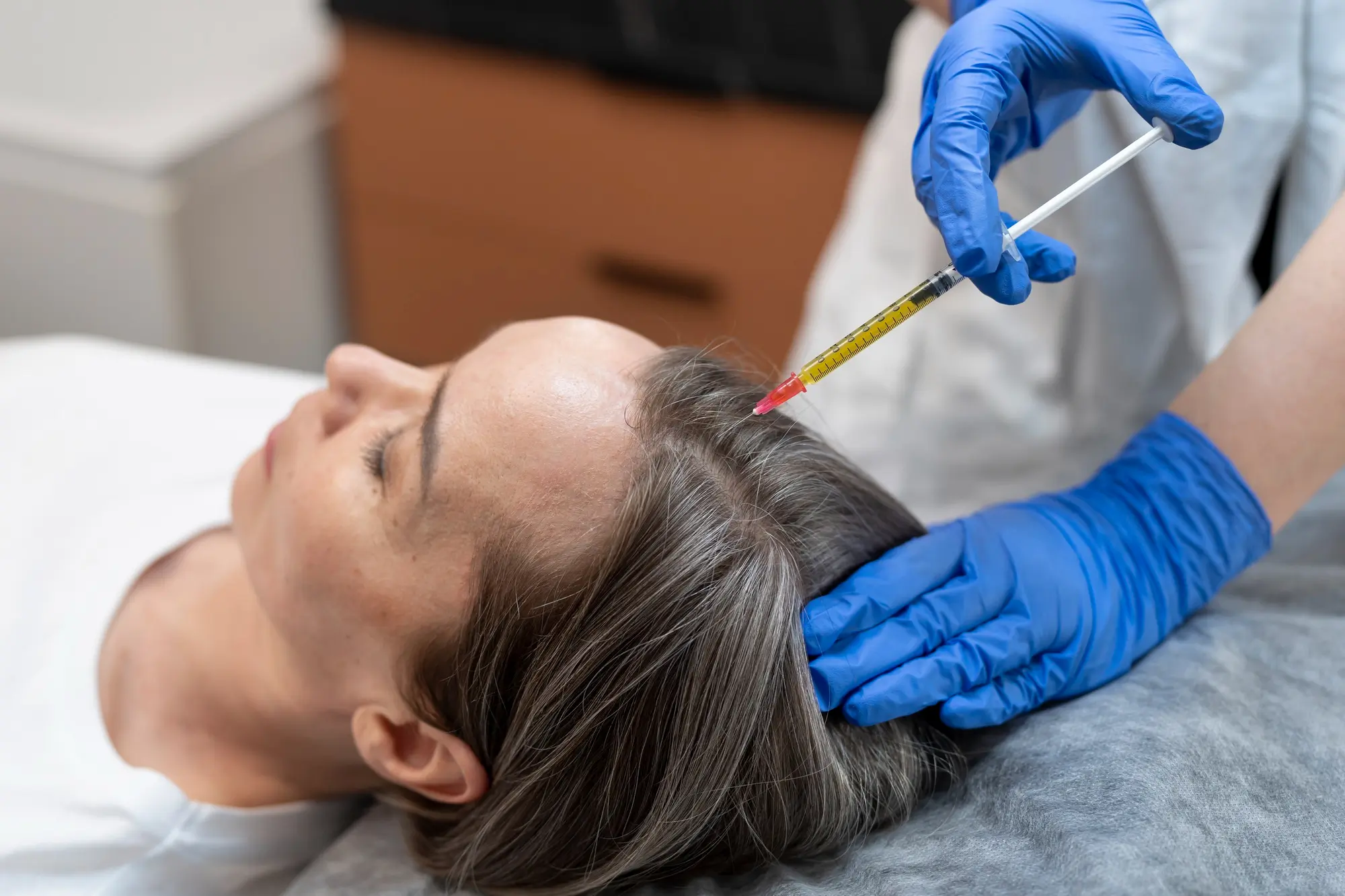

Extraction: Dental motor 12,000–22,000 RPM
Storage: Normal Saline / Ringer Lactate
Plantation: Hypodermic injection needle
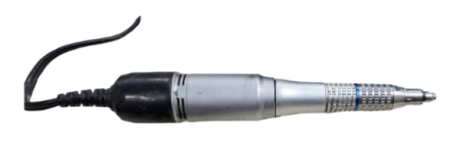
Dental Motor Extraction
Extraction
Dental motor at 12,000–22,000 RPM. High-speed rotation extracts individual follicles but causes 15–20% transection — follicles are mechanically damaged or cut during the punching process. This was the global standard for FUE extraction before 2016.

Normal Saline / Ringer Lactate Storage
Storage
Graft storage time outside body is limited or is sometimes eliminated completely and the graft storage duration is individually calibrated.
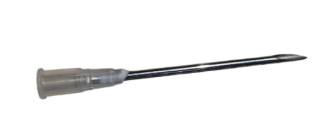
Hypodermic Needle for Slits
Slit Making
Slits or holes for inserting grafts is done with injection needle as in fue. Grafts are planted after extraction. This reduces the time the grafts are outside the body, resulting in improved survival rates and a more efficient procedure.
NeoPlatinum FUE — Dr. Vikram's Innovation (2016–2022)
(A landmark advancement — introducing nano motor extraction and bioactive graft preservation)
NeoPlatinum FUE — introduced by Dr. Nav Vikram at NeoGraft in 2016
These three changes — motor speed, graft storage medium, and slit-making instrument — each addressed a specific weakness in NeoOne FUE. The nano motor eliminated follicle trauma during extraction. Plasma and bioactive compounds provided active cellular support during storage. The stainless steel blade produced cleaner, more precise recipient sites than a hypodermic needle.
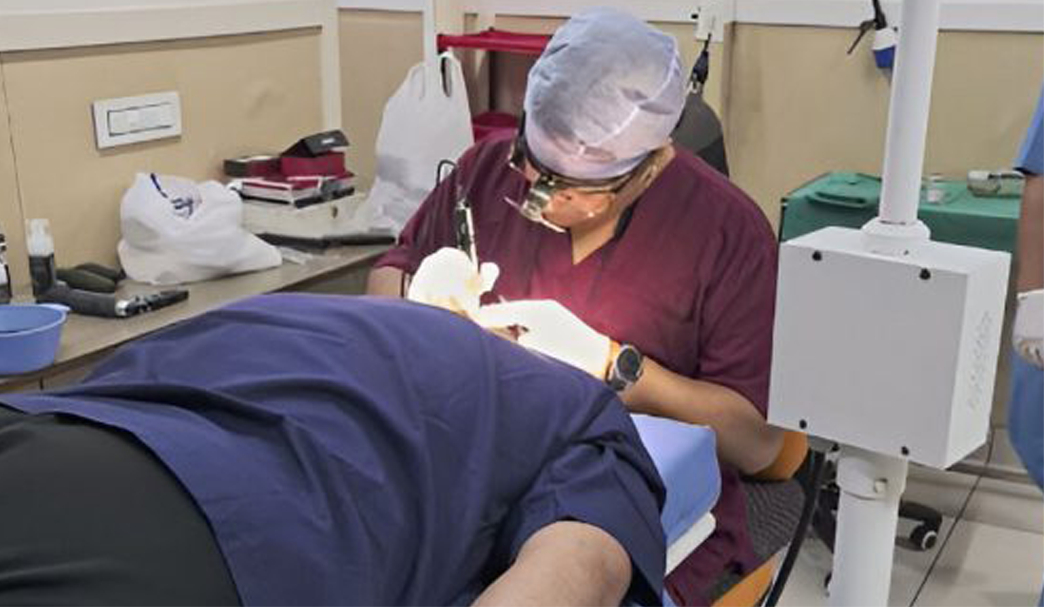
Nano motor: 800–1,200 RPM
Plasma, Biotin & Bioactive Compounds
Stainless Steel Blade for slits
Graft survival: 90–95%
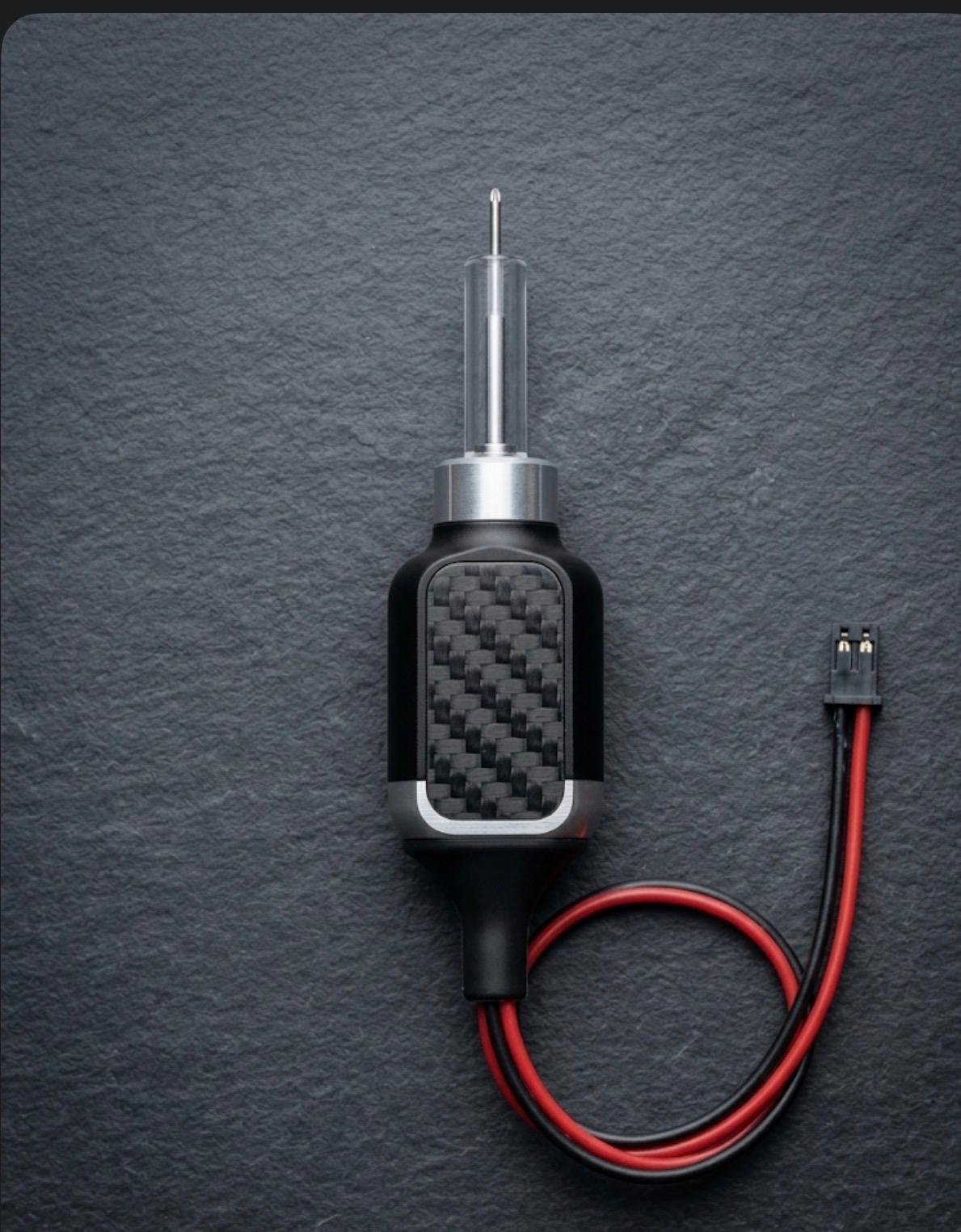
Nano Motor (800–1,200 RPM)
Extraction
Nano motor at 800–1,200 RPM — introduced by Dr. Vikram in 2016. Gentle rotation dramatically reduces follicle trauma. Near-zero transection rate compared to dental motor FUE.
Plasma, Biotin & Bioactive Compounds
Graft Storage
Plasma, Biotin and Bioactive Compounds. Dr. Vikram replaced plain saline with a bioactive preservation solution. These compounds actively nourish and protect follicles during out-of-body time — maintaining cellular health far better than saline alone. Result: graft survival rises to 90–95%.
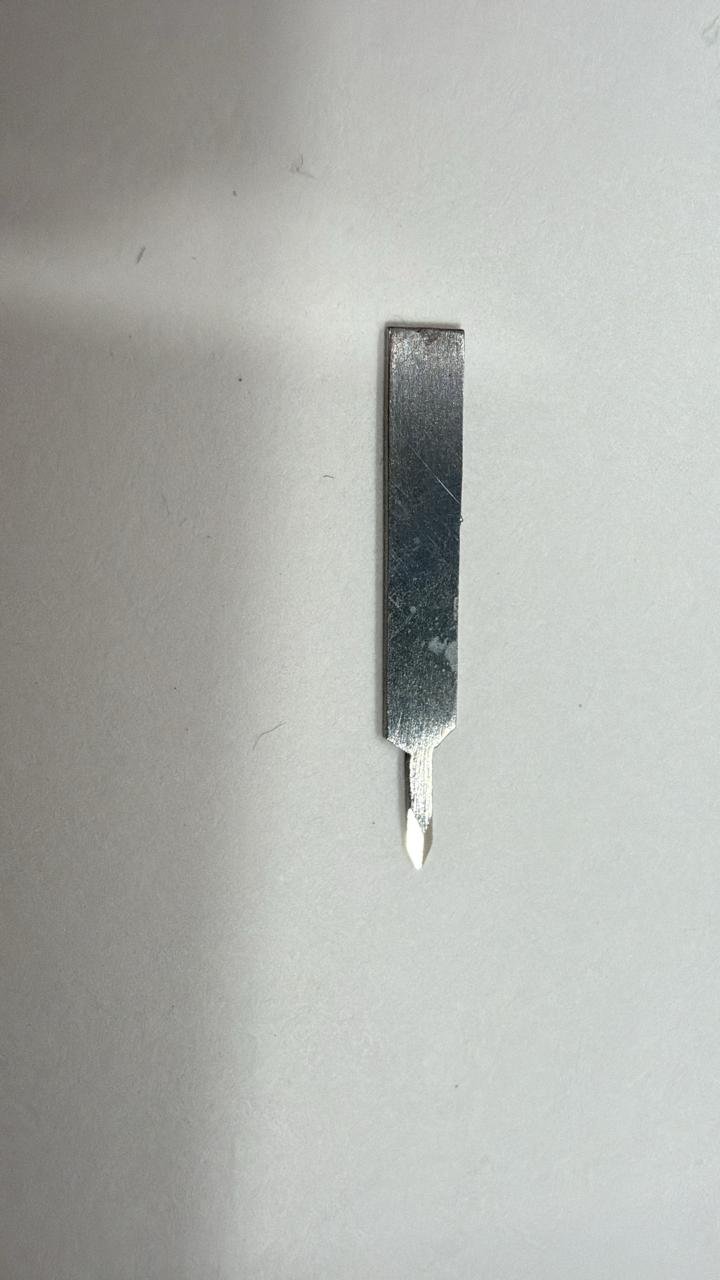
Stainless Steel Blade
Plantation
Implanters are often used in hair transplants, but studies show they cause similar levels of trauma to the scalp as traditional FUE techniques. These implanters are essentially needles with a steel rod inside.
NeoDHT — Dr. Vikram’s Algorithm-Driven Gold Standard (Post-2022)
What is NeoDHT? — India’s Most Advanced Hair Transplant Technique
The precision of sapphire blades ensures seamless graft placement with minimal trauma, providing natural-looking results. The combination of these advanced tools helps Neo DHT Hair Transplant achieve a 99% graft survival rate.
by adding Culture Media graft storage, Sapphire Blade implantation, and Dr. Vikram’s coagulation-parameter algorithm for personalised body-out time.
99% graft survival rate
Natural-looking results
Faster Recovery
No Need for Incision Slits
High precision & density
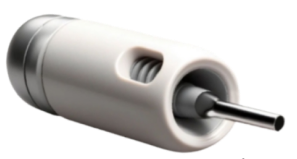
Nano Motor
Nano Motor Extraction
- NeoDHT uses advanced nano motors — ultra-lightweight and operating at ultra-low RPM — far gentler than any dental motor used in standard FUE.
- The nano motors are equipped with a built-in fail-safe mechanism that automatically shuts off if the punch is positioned incorrectly — ensuring no follicle is accidentally transected.
- Near-100% intact graft harvesting — every extracted follicle arrives at the implantation stage undamaged.
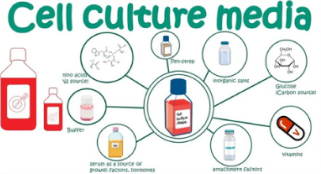
Graft Storage
Most uniquely, the storage duration is individually calibrated per patient — based on Dr. Vikram’s analysis of each patient’s blood coagulation parameters from pre-surgery blood tests. Body-out time ranges from 30 minutes for patients with certain coagulation profiles to 2 hours for others.
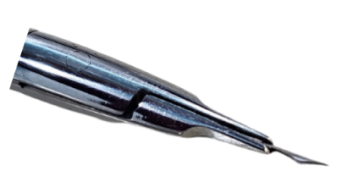
Sapphire Blades
Sapphire Blade Implantation
- Ultra-thin Sapphire Blades create recipient sites — sapphire is harder and smoother than steel, producing finer and more consistent slits with minimal trauma to surrounding tissue.
- Graft placement follows Dr. Vikram’s algorithm: sequence, density and zone order are pre-planned based on each patient’s hairline design and coagulation data. The precision of sapphire blades ensures seamless graft placement with minimal trauma, providing natural-looking results. The combination of these advanced tools helps Neo DHT achieve a 99% graft survival rate.
What NeoDHT Delivers — Why It Outperforms All Previous Techniques

Higher precision
Sapphire blades create recipient sites 0.1mm wide — far finer than any needle can achieve. Each slit is precisely angled to match the natural hair growth direction, ensuring the transplanted hair blends invisibly with existing hair. Dr. Vikram’s algorithm plans the exact position and angle of every slit before the procedure begins.

Less trauma
The nano motor’s ultra-low RPM causes zero heat buildup and zero mechanical tearing during extraction. Sapphire blades produce tissue trauma measured at a fraction of what needles or steel blades cause. Less trauma means faster healing, minimal post-operative swelling, and zero risk of shock loss to existing hair in the recipient area.

Better graft survival rates than FUE,DHI/DHT
Culture Media storage keeps grafts in peak biological condition throughout the procedure. Combined with nano motor extraction and individually calibrated body-out time (based on coagulation parameters), NeoDHT achieves a 99–100% graft survival rate — compared to 75–85% for NeoOne FUE and 90–95% for NeoPlatinum FUE. More surviving grafts means more coverage from the same donor supply.
How NeoOne FUE, NeoPlatinum FUE and NeoDHT Compare — Key Technical Differences
The following comparison shows the technical evolution from older FUE methods to NeoDHT — demonstrating how each innovation at NeoGraft Chandigarh improved graft survival and patient outcomes.
One notable option is the DHI Hair Transplant, which offers specific advantages that may appeal to individuals seeking effective hair restoration solutions.
| DHI (Direct Hair Implantation) | NeoDHT (Neo Direct Hair Transplant) | |
|---|---|---|
| Grafts Extraction | Dental Motor | Nano Motors |
| Weight | Weight 340 Grams | Weight 25 Grams |
| Speed | Speed 7000-21000 rpm | Speed 600-900 rpm |
| Power Input | Power input D.C 12-18 Volts | Power input D.C 2-3.5 Volts |
| Plantation | 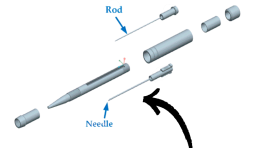 Sapphire Blades | 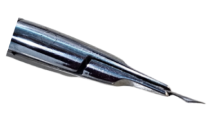 Sapphire Blades |
| Thickness | Well Thickness 0.3 mm | Well Thickness 0.1 mm |
| Metal | Stainless Steel Metal | Titanium Metal |
| Size | Size 0.9-1.2 mm | Well Thickness 0.1 mm |
| Graft Survival Rate | Graft survival rates are lower (75% to 85%) due to the use of high-speed dental motors (7,000-21,000 RPM), which can cause graft damage. | Achieves a graft survival rate of 99% to 100% due to the use of slow-moving nano motors (600-700 RPM), which minimize the risk of damage. |
| Motor Speed and Technology | Both use heavy dental motors that operate at high speeds (7,000-21,000 RPM), which increases the risk of damage during extraction. | Uses lightweight nano motors (23 grams), operating at a slower speed of 600-700 RPM, making the procedure gentler and safer for the grafts. |
| Tools for Inserting Grafts | NeoOne FUE and NeoPlatinum FUE use needle or steel-blade slit-making with manual graft insertion — functional but less precise. | Utilizes ultra-thin sapphire blades and tongs for implantation, providing greater accuracy and minimal disruption to surrounding hair, resulting in a natural and seamless look. |
| Trauma and Recovery | The use of high-speed dental motors can cause more trauma during extraction, leading to swelling and longer recovery times. | With slower nano motors and advanced tools, NeoDHT causes minimal trauma, resulting in no swelling and virtually no downtime. |
| Blood Supply and Final Results | High-speed motors can reduce blood flow to the transplanted area, impacting graft survival. | Maintains healthy blood flow, ensuring better long-term results and healthier hair growth. |
| Donor Area Preservation | These methods may cause damage to the donor area, reducing hair density and affecting the potential for future transplants. | Ensures no collateral damage to the donor area. Even after extracting up to 5,000 grafts, the blood supply remains intact, preserving donor area density. |
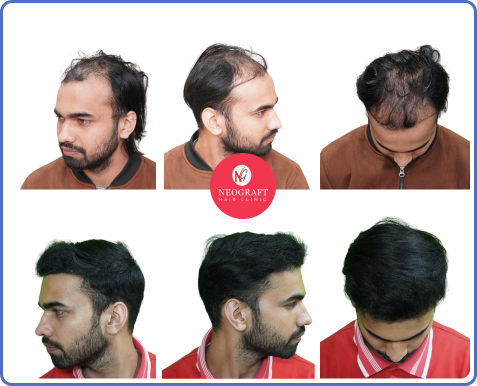
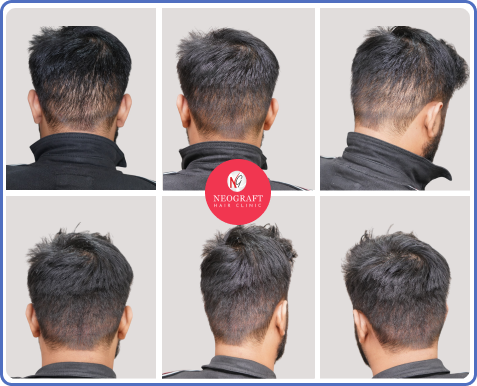
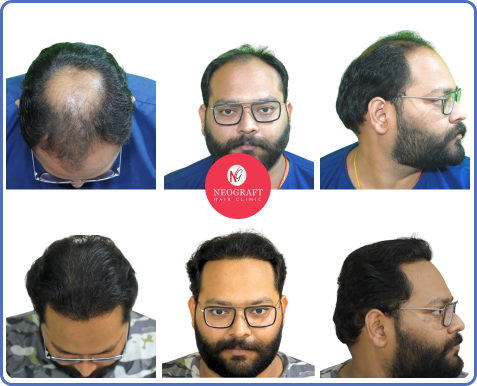
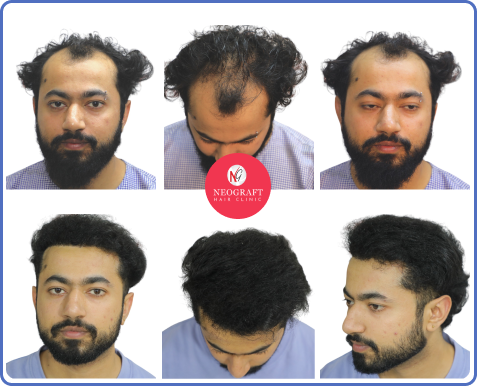
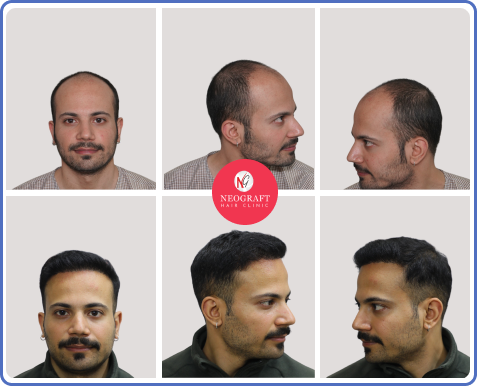
Neo DHT Impressive Before and After Transformations

Frequently Asked Questions
Q1 : Who is the Ideal Candidate for a DHT Transplant?
Hair transplantation depends on factors like hair loss pattern, donor hair availability, and overall health. At NeoGraft, we assess these during your first consultation to determine the best options.
Q2 : Are There Any Potential Side Effects?
Neo-DHT is the safest hair transplant technique, with no reported side effects. It is the only method proven to be side effect-free, making it a highly reliable option. Numerous studies, including those from the National Library of Medicine, have confirmed its safety and superiority over older transplant methods. Neo-DHT further enhances safety by using advanced tools that provide smooth, trauma-free procedures.
Q3 : Does DHT Impact the Transplanted Hair?
Q4 : What is the Cost of Direct Hair Transplant?
The duration depends on the number of grafts needed. Basic FUE can be done in a single day for up to 6000 grafts, Advanced techniques like NEODHT AND NEOFUE takes more time usually 2 days for a 7000 grafts hair transplant. To learn more about the cost of a DHI hair transplant, visit us.
Find Out the Exact Cost for Your Grade of Baldness
Transparent pricing — calculated per graft based on your specific grade of hair loss. No hidden costs, no surprises. Get a personalised cost estimate and a FREE consultation with Dr. Nav Vikram.
✔ Free consultation ✔ Transparent per-graft pricing ✔ All techniques compared
Book Your Consultation
Neo-DHT Neoplatinum-Dht
Neo-DHT Neoplatinum-Dht
NeoOne FUE, NeoPlatinum FUE & NeoDHT Hair Transplant in Chandigarh — Technique Evolution
Hair transplant at NeoGraft Chandigarh has evolved through four generations. NeoOne FUE (pre-2016) used dental motors at 12,000–22,000 RPM with saline storage and hypodermic needles — effective but limited. NeoPlatinum FUE (2016–2022) introduced Dr. Vikram’s nano motor (800–1,200 RPM), bioactive graft storage in plasma and biotin, and stainless steel blades — raising graft survival to 90–95%. NeoDHT (post-2022) completed the evolution: culture media storage, sapphire blade implantation, and Dr. Vikram’s coagulation-parameter algorithm that individually calibrates body-out time (30 minutes to 2 hours per patient) — achieving 99–100% graft survival. No other technique available for hair transplant in Punjab or India achieves this result.
Why NeoDHT is the Gold Standard for Hair Transplant in India
NeoDHT at NeoGraft combines everything learned across all four generations: the gentle nano motor extraction of NeoPlatinum FUE, the superior Culture Media storage of post-2022 protocols, the precision of Sapphire Blades, and Dr. Vikram’s unique coagulation-parameter algorithm that personalises the entire procedure to each patient’s individual biology. For patients considering hair transplant in Chandigarh, Punjab, or anywhere in India who want the maximum possible outcome from their donor hair, NeoDHT at NeoGraft is the definitive choice.
Hair Transplant in India — NeoGraft Chandigarh is the Standard
NeoGraft Hair Clinic, SCO 3009-3010, Sector 22D, Chandigarh 160022, is the only clinic in India offering NeoDHT — the technique invented and performed exclusively by Dr. Nav Vikram. With 15+ years of experience and 10,000+ procedures, NeoGraft is Punjab most trusted hair transplant destination and a benchmark for hair transplant in India. Free consultation: +91 9041999199.